
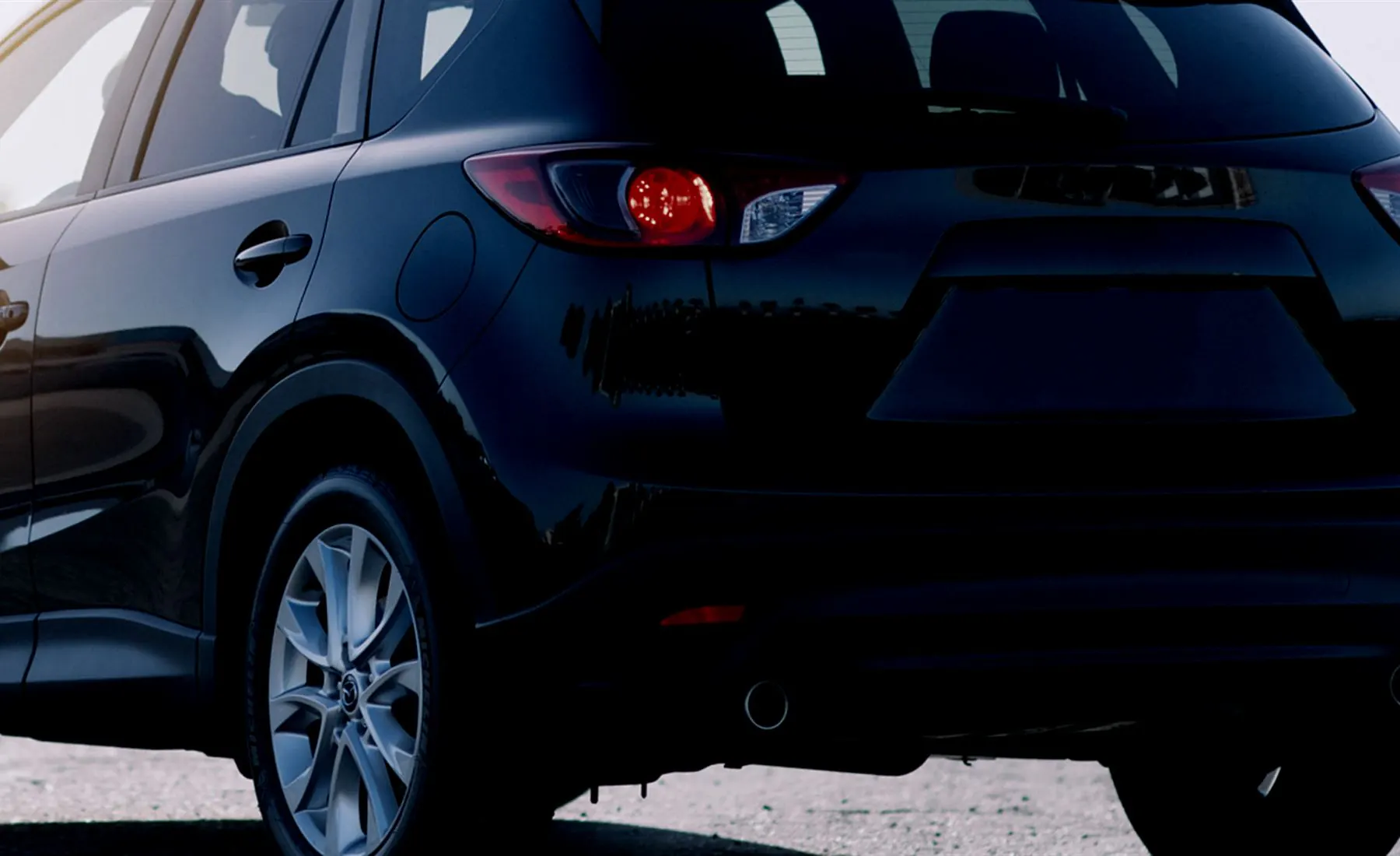
1. Plan a realistic budget
The purchase price is only part of the cost. Factor in insurance, vehicle tax, fuel, maintenance and wear parts such as tyres and brakes. If you want to finance, choose a monthly instalment that still leaves room for unexpected repairs.
2. Check the documents
Ask to see the paperwork before you fall in love with a vehicle:
- Registration certificate Part I and Part II (Zulassungsbescheinigung) (formerly Fahrzeugschein and Fahrzeugbrief): do the chassis number (VIN) and details match the vehicle?
- Report from the last general inspection (HU): when is the next HU due, and were there any defects?
- Service book or service records: were the services carried out regularly?
- Invoices for major repairs, such as the timing belt, clutch or brakes.
3. View in daylight
Look at the vehicle in daylight and dry weather. Pay attention to:
- uneven panel gaps and differences in paint colour, which can indicate accident repairs,
- rust on the wheel arches, sills, door edges and underbody,
- tyre tread, even wear and the age of the tyres (DOT number),
- the condition of the seats, steering wheel and pedals relative to the mileage,
- traces of fluid under the vehicle and in the engine bay.
4. Do the test drive properly
Start the engine from cold if possible. Drive in town, on country roads and, if possible, a stretch of motorway. Watch for warning lights, noises when steering and braking, smooth gear changes and a vehicle that tracks straight. Test the air conditioning, electric windows, lights and electronics.
5. Purchase contract
Have everything important recorded in writing: purchase price, mileage, known damage and defects, accessories included in the sale, number of keys and agreed services such as a warranty or work to be done before handover.
When buying from a dealer, you as a consumer have statutory rights in respect of material defects. What this means and how a warranty differs from it is explained in our guide Warranty or statutory liability.
6. After the purchase
To register the vehicle, you need an electronic insurance confirmation (eVB number) from your insurer, your ID, the registration certificates Part I and II and, where applicable, a SEPA direct debit mandate for the vehicle tax. Ask us, we are happy to help.